Seeking a Top Rated Nursing Home Abuse Lawyer
Nursing Home Abuse Attorney: Fighting for Justice and Protection
Elder care abuse continues to be a serious problem, commonly kept out of sight. Those affected encounter significant obstacles when pursuing justice, making them feel defenseless and abandoned. A nursing home abuse lawyer plays a pivotal role in tackling these wrongdoings. They provide essential legal support, making certain that affected individuals can exercise their rights. Grasping the intricacies of these circumstances is vital for families considering their options. What actions could be necessary to safeguard those in their care?
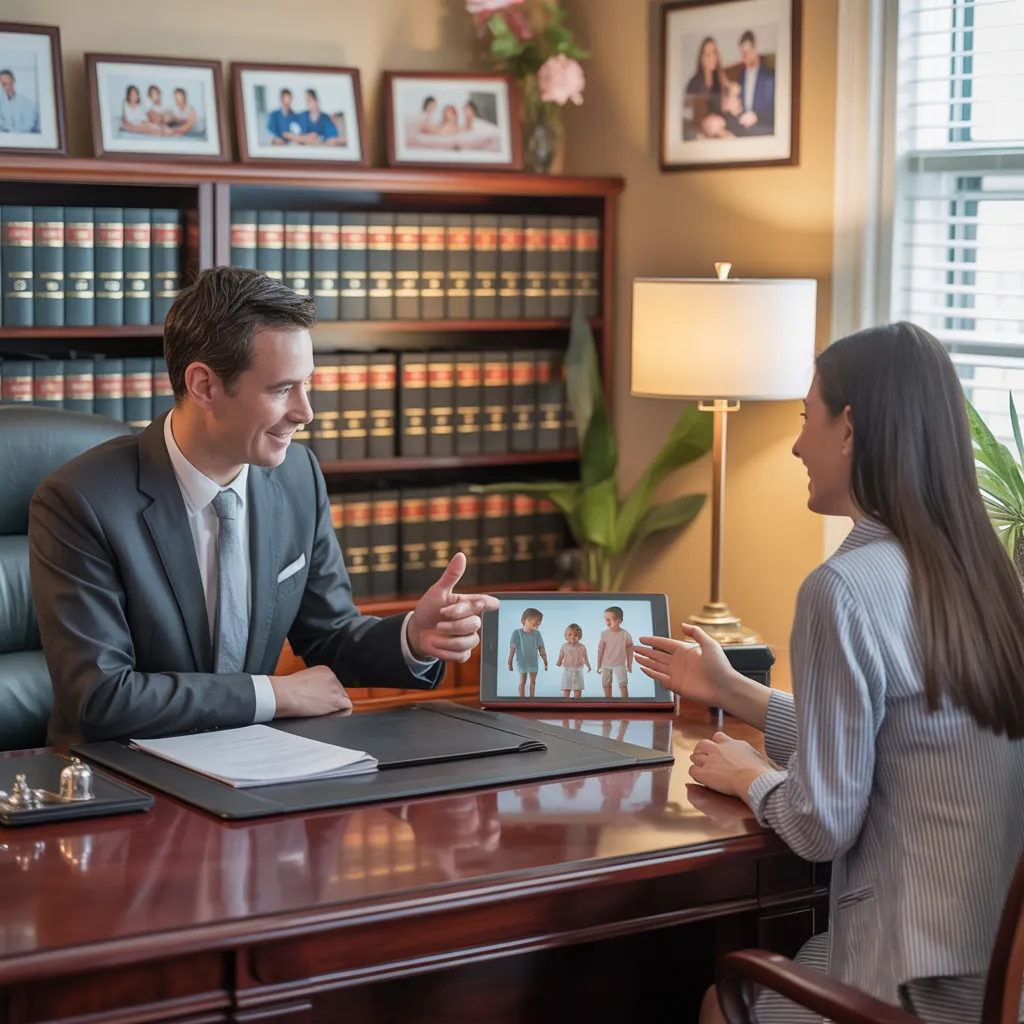
Spotting the Indicators of Nursing Home Abuse
How are families able to detect the subtle warning signs of nursing home abuse? Being aware of these signs is crucial for safeguarding the welfare of loved ones. Physical signs such as unexplained bruises, cuts, or sudden weight loss may point to neglect or mistreatment. Emotional signals like withdrawal, depression, or sudden shifts in behavior can also be signs of abuse. Families should pay attention to their loved one's interactions with staff; fearful behavior or reluctance to speak can be telling. Unexplained financial changes, including missing items or sudden withdrawals, could point to financial exploitation. Regular visits and open conversations with residents can help families stay informed about their loved one's condition. Recording any concerns thoroughly can supply vital evidence in the event that action becomes necessary. In the end, staying alert and informed is fundamental to detecting possible abuse and maintaining a secure environment for those in nursing care.
Ways a Nursing Home Abuse Attorney Can Help You
A nursing home neglect attorney offers critical legal advocacy for those seeking justice. Such attorneys play a significant role in reviewing claims of mistreatment, gathering evidence, and developing a solid case. Moreover, these legal professionals work to obtain financial compensation for those affected and their loved ones, managing the physical and financial burden of such abuse.
Legal Advocacy For Victims
Those who have suffered nursing home abuse frequently encounter significant emotional and physical difficulties, making legal representation essential for handling their complex situations. A nursing home abuse attorney delivers vital assistance by ensuring that victims understand their legal rights and available options. Such legal experts are equipped to navigate the complex legal landscape, assisting in gathering evidence and constructing a compelling case. They advocate for fair compensation, addressing medical costs, emotional suffering, and additional damages. Additionally, a knowledgeable attorney can engage in negotiations with nursing homes and insurance companies, reducing the stress on victims and their loved ones. By providing guidance and expertise, nursing home abuse attorneys play an important role in empowering victims to seek justice and reclaim their dignity.
Exploring Abuse Reports
Understanding the nuances of nursing home abuse claims is vital for victims seeking justice. A nursing home abuse lawyer plays a pivotal role in examining these cases. They start by collecting pertinent documentation, including medical records, testimonies from witnesses, and establishment paperwork. This detailed inquiry often necessitates conducting on-site visits to review the premises and speaking with employees and residents. Attorneys also work with experts to detect evidence of abuse or negligence that may remain hidden from plain sight. By applying their expertise of local and national laws, they can evaluate the legitimacy of claims and construct a compelling argument. Ultimately, the attorney's commitment to uncovering the truth ensures those responsible are held accountable and supports victims in their pursuit of justice.
Achieving Financial Compensation
Securing financial compensation for elder abuse in nursing homes requires maneuvering through a challenging legal landscape. A elder abuse attorney fulfills an essential role in leading families and victims through this multifaceted process. They assess the strength of the claim, obtain key evidence, and determine liability. By applying their legal experience, these attorneys can deal with insurers and opposing parties to achieve favorable settlements. If settlement discussions break down, they are willing to pursue the matter in court. Recoverable compensation can include medical expenses, emotional distress, and other damages resulting from the abuse. When all is said and done, a qualified nursing home abuse attorney takes steps to ensure that victims secure the monetary support required for recovery and accountability, holding negligent parties accountable for their actions.
A Guide to the Legal Process for Filing a Claim
When working through the legal journey for filing a nursing home abuse claim, a number of important factors must be considered. This includes identifying the various types of abuse claims, the critical need for thorough evidence collection, and a review of the applicable legal timeline. All of these elements are essential to constructing a compelling case for victims and their families.
Categories of Abuse Claims
Abuse in nursing homes can manifest in many ways, with each type necessitating distinct legal considerations for those seeking justice. The most prevalent types of abuse claims involve physical, emotional, sexual, and financial abuse. Physical abuse involves harm or injury inflicted on residents, while verbal harassment and psychological manipulation constitute emotional abuse. Sexual abuse is characterized by any form of non-consensual sexual contact, and the unauthorized use of a resident's funds or assets constitutes financial abuse. Another critical area, neglect, is defined by a failure to provide essential care, leading to deterioration in health and well-being. Each type of abuse necessitates a tailored legal approach, underscoring the need to understand the nuances involved in the claims process to effectively advocate for the rights and safety of vulnerable individuals in nursing homes.
Evidence Gathering Process
A thorough understanding of the evidence collection process is essential for individuals pursuing claims of nursing home abuse. Gathering compelling evidence forms the backbone of any legal claim, necessitating thorough attention to detail. The process typically starts with collecting medical records, photos of physical injuries, and testimonies from staff members or fellow residents. Documenting occurrences with precise dates and times is necessary. Moreover, safeguarding physical evidence, such as personal belongings or garments, can assist in identifying a recurring pattern of abuse. Engaging a nursing home abuse lawyer can provide guidance on the kinds of evidence required and guarantee proper procedures are followed. Ultimately, a carefully documented case increases the probability of obtaining justice for those affected by nursing home abuse.
Legal Chronology Summary
Recognizing the legal schedule for pursuing a case in cases of nursing home abuse is essential for victims and their families. The process typically begins with an first discussion with a nursing home abuse attorney, who will review the validity of the claim. Subsequent to this, evidence must be gathered, which can take several weeks. After adequate evidence has been gathered, a formal complaint is filed, commencing the formal proceedings. The timeline varies depending on state laws, but as a rule, a case must be submitted within a defined legal time limit, typically extending from one to three years. Following the submission, mediation or settlement talks may take place, and should no agreement be reached, the matter may advance to court, which can further extend the timeline.
Critical Evidence for Your Nursing Home Abuse Case
Documentation is crucial in substantiating cases involving nursing home abuse. To construct a solid case, different kinds of documentation and witness accounts are critical. Medical records can deliver detailed accounts of injuries or neglect, while photographs of injuries or unsafe conditions can visually substantiate allegations. Furthermore, incident reports documented by nursing home staff serve as official documentation of any incidents involving abuse or neglect.
Witness statements from employees, residents, or family members can also corroborate allegations. Video recordings, if obtainable, can be invaluable in establishing the abuse or neglect in question. Additionally, communication records, such as electronic messages or correspondence between relatives and care facility personnel, may reveal previous concerns raised about care.
Collecting and organizing this evidence quickly enhances the probability of a favorable legal result. A nursing home neglect attorney can guide families and victims in collecting critical evidence to effectively pursue justice.
Expected Compensation for Victims of Nursing Home Abuse
Victims of nursing home abuse may seek compensation for the damages they have experienced, which can fluctuate considerably based on the particular details of each claim. Variables that impact the amount awarded include the severity of physical harm, emotional distress, and financial losses incurred due to medical bills or diminished quality of life. Additionally, punitive damages can be granted in cases of severe neglect or willful wrongdoing, serving to discourage future negligent behavior.
When assessing claims, courts often examine the extent of the mistreatment, the duration of the suffering, and the impact on the victim's family. Legal representation is essential, as knowledgeable nursing home abuse attorneys can assist explanation victims in understanding and navigating the legal system and work to secure appropriate compensation. The primary objective is to achieve a settlement that addresses the full scope of damages and fosters a culture of accountability at the caregiving institution.
How to Select a Nursing Home Abuse Attorney
How can one effectively select a nursing home abuse lawyer? The first step involves looking into lawyers who focus on elder law and nursing home abuse matters. The experience and proven success of a lawyer are of utmost importance; those seeking representation should pursue lawyers who have demonstrated success in like circumstances.
Furthermore, client testimonials and reviews can help evaluate an attorney's skill and dedication. It is essential to ask about the attorney's approach to cases, including their commitment to proceeding to trial when circumstances demand it.
The accessibility and communication approach are also key factors; clients need to feel at ease when addressing sensitive topics.
Last but not least, review the attorney's payment arrangement—learning if they handle cases on a contingency arrangement can considerably shape an individual's decision. By taking these steps, people can select a nursing home abuse attorney who will effectively fight for justice and protection.
Legal Methods for Preventing Nursing Home Abuse
Finding a knowledgeable nursing home abuse lawyer can set the stage for identifying and preventing subsequent cases of abuse. Sound legal tactics begin with comprehensive examinations of the residential home's conduct and the treatment given to residents. Lawyers commonly obtain evidence, including witness testimonies and medical records, to identify a recurring cycle of mistreatment or negligence.
Moreover, they may prompt families to record any instances of mistreatment, creating a solid foundation for filing a legal claim. Lawyers can also advocate for better safety standards and guidelines within nursing homes, stressing the necessity of transparency and accountability.
Engaging in mediation or negotiation can often result in quicker resolutions, benefiting both residents and facilities. In the end, a preventative strategy not only seeks justice for victims but also aims to establish a more secure atmosphere for every resident in nursing care, highlighting the significance of legal action in averting further harm.
Frequently Asked Questions
What Should I Do if I Suspect Abuse?
If abuse is thought to have occurred, it is important to document any observations, compile evidence, and bring concerns to the attention of appropriate authorities. Reaching out to professionals or advocates can offer direction on the next steps to ensure the victim's safety and well-being.
Is It Possible to File a Lawsuit Anonymously?
Absolutely, plaintiffs can initiate legal proceedings anonymously in certain cases, contingent upon local regulations and the details of the case. Consulting with a qualified attorney is strongly encouraged to explore the available options for protecting one's identity during the process.
How Much Time Do I Have to Submit a Claim?
Across most jurisdictions, claimants typically have between one and three years to initiate a claim, subject to the specific circumstances and governing local laws. It is important to seek guidance from a legal professional for precise guidance regarding deadlines.
Are There Penalties for Reporting Suspected Abuse?
Yes, there are penalties for not reporting suspected abuse, including financial penalties and possible criminal prosecution. Protections for whistleblowers are in place to shield those who report, encouraging vigilance and accountability in defending vulnerable individuals.
What Should You Do if the Abuser Is a Staff Member?
If the abuser is a staff member, the facility typically investigates the allegations. Outcomes can range from disciplinary measures, termination, to legal consequences, based on the seriousness of the abuse and relevant laws. Filing a report is absolutely necessary.